Thanksgiving in America was not born in a season of peace and comfort, but was forged in the furnace of national affliction.
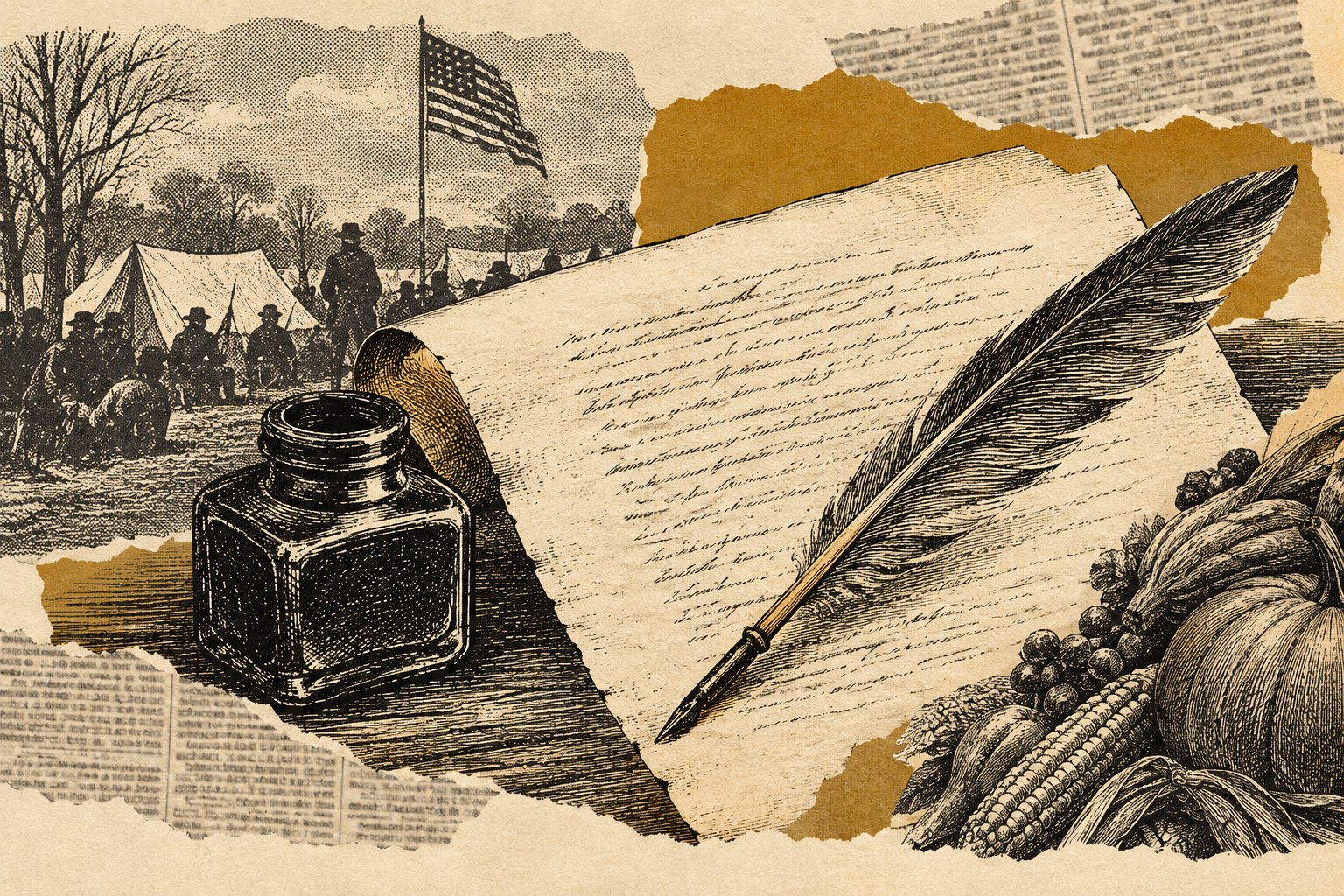
In October 1863, with the nation torn in half by the Civil War and the bloody fields of Gettysburg and Vicksburg fresh in memory, President Abraham Lincoln issued a proclamation declaring the last Thursday of November as a national day of Thanksgiving.
Lincoln was moved to act following an appeal from Sarah Josepha Hale, editor of Godey’s Lady’s Book, who had spent 17 years lobbying five successive presidents to establish a unified national holiday. Where previous administrations hesitated, Lincoln saw a vital spiritual necessity.
Rather than focusing on battlefield strife, the proclamation directed Americans to recognize that the nation’s survival, fruitful harvests, and persevering institutions were not the work of human hands, but the gracious gifts of the “Most High God, who, while dealing with us in anger for our sins, hath nevertheless remembered mercy.” Lincoln called on the American people not only to offer joyful praise, but also to intercede for the widows, orphans, and wounded, and to pray for the restoration of national unity under God.