Iran’s foreign ministry spokesman said Monday that Tehran would use “all available means” to respond to Washington’s economic pressure campaign. Esmaeil Baqaei told reporters at a weekly briefing, “We will certainly not tolerate these actions,” and said Iran would counter what he called “U.S. aggression.”
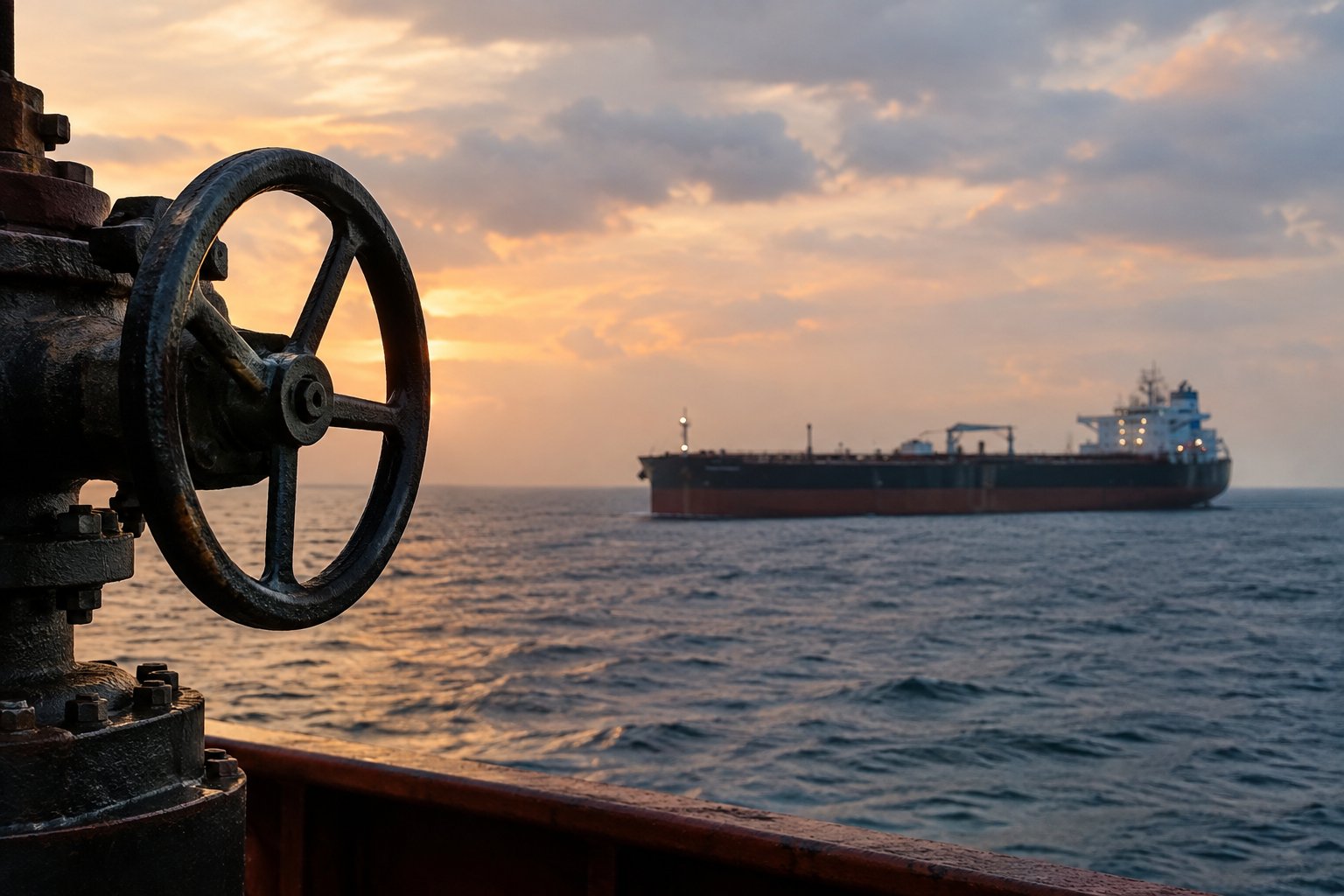
The comments came amid reports that Iran is preparing a convoy of more than a dozen tankers to challenge the U.S. blockade. Iranian officials have denied those reports. Asked Sunday on Fox News about the possibility that Iranian ships could challenge the blockade, President Trump said, “I hope they do,” adding, “they'll all be at the bottom of the sea like the rest of the navy.”
Fighting also continued in Yemen. Heavy clashes were reported between the Houthi movement and forces aligned with Yemen’s internationally recognized government in Taiz, Marib, al-Jawf and Lahj. Pro-government forces said they hit hundreds of targets over the weekend. Houthi media reported dozens of casualties, and the Houthis claimed a strike on Saudi oil infrastructure near Riyadh on Sunday.
Energy prices reflected the risk around the conflict. Brent crude opened at $91.78 per barrel. AAA reported the average price of regular gasoline in the United States at $3.64 per gallon and the average price of diesel at $5.82 per gallon.
The confrontation could put American service members, global energy supplies, and family budgets under greater strain. Washington now faces the hard task of deterring threats without letting pressure at sea become a broader war.