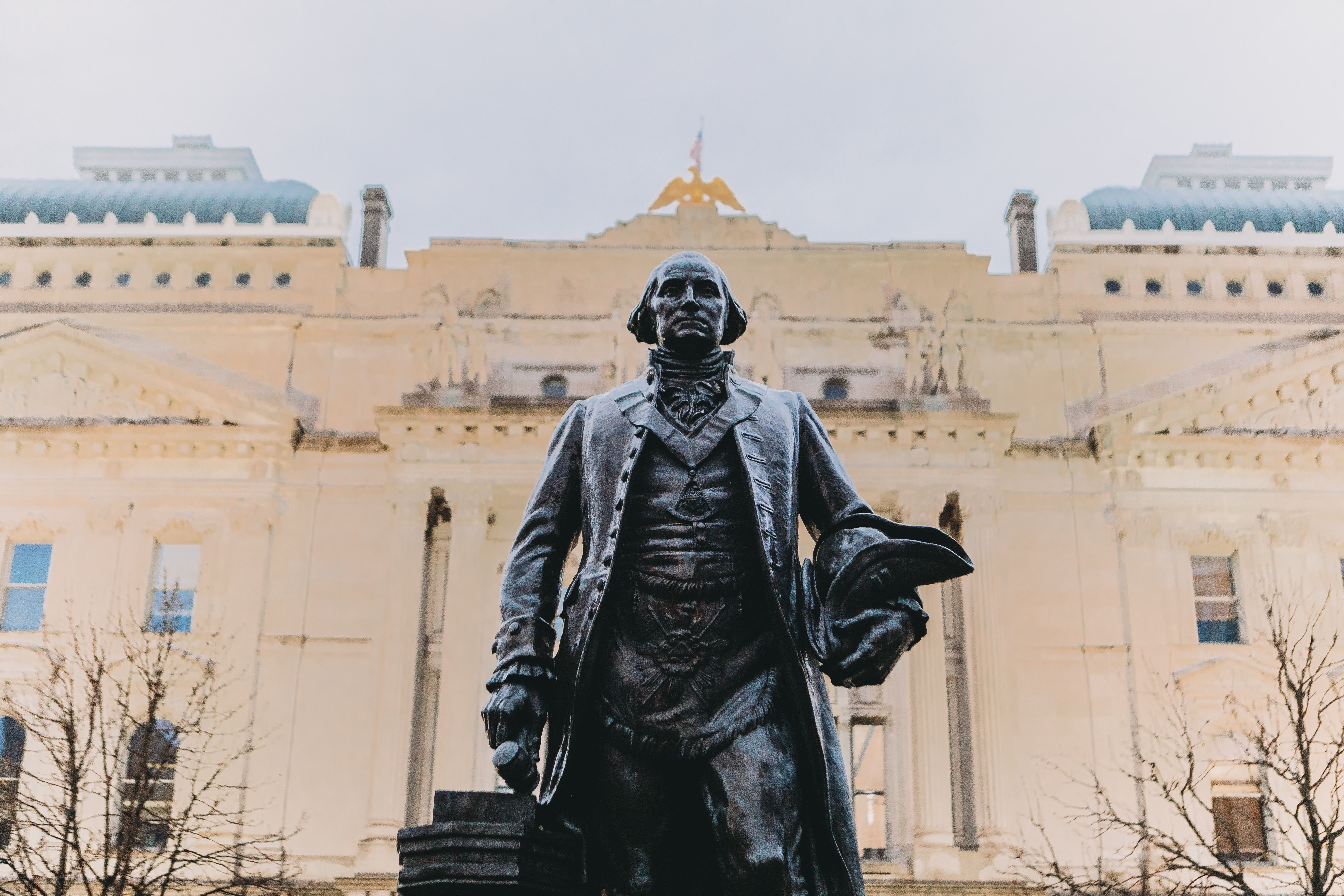
Long before Thanksgiving became an annual national holiday, America’s first president established a vital precedent that national gratitude is a foundational civic duty.
On October 3, 1789, President George Washington issued the first Thanksgiving proclamation under the newly ratified United States Constitution. The initiative originated just days earlier in the First Federal Congress, when Representative Elias Boudinot introduced a resolution requesting that the President recommend a day of public prayer and thanksgiving.
Where secular historians often attempt to scrub faith from America’s founding, Washington’s proclamation assumes our nation's divine dependence: “Whereas it is the duty of all Nations to acknowledge the providence of Almighty God, to obey his will, to be grateful for his benefits, and humbly to implore his protection and favor...”
Washington designated Thursday, November 26, 1789, as a day to thank God for His divine care during the Revolutionary War, for the peaceful establishment of constitutional government, and for the civil and religious liberties Americans enjoyed. Crucially, Washington called not only for celebration but also urged citizens to humbly confess the nation’s transgressions and ask God to guide its leaders, protect families, and promote true knowledge and virtue.