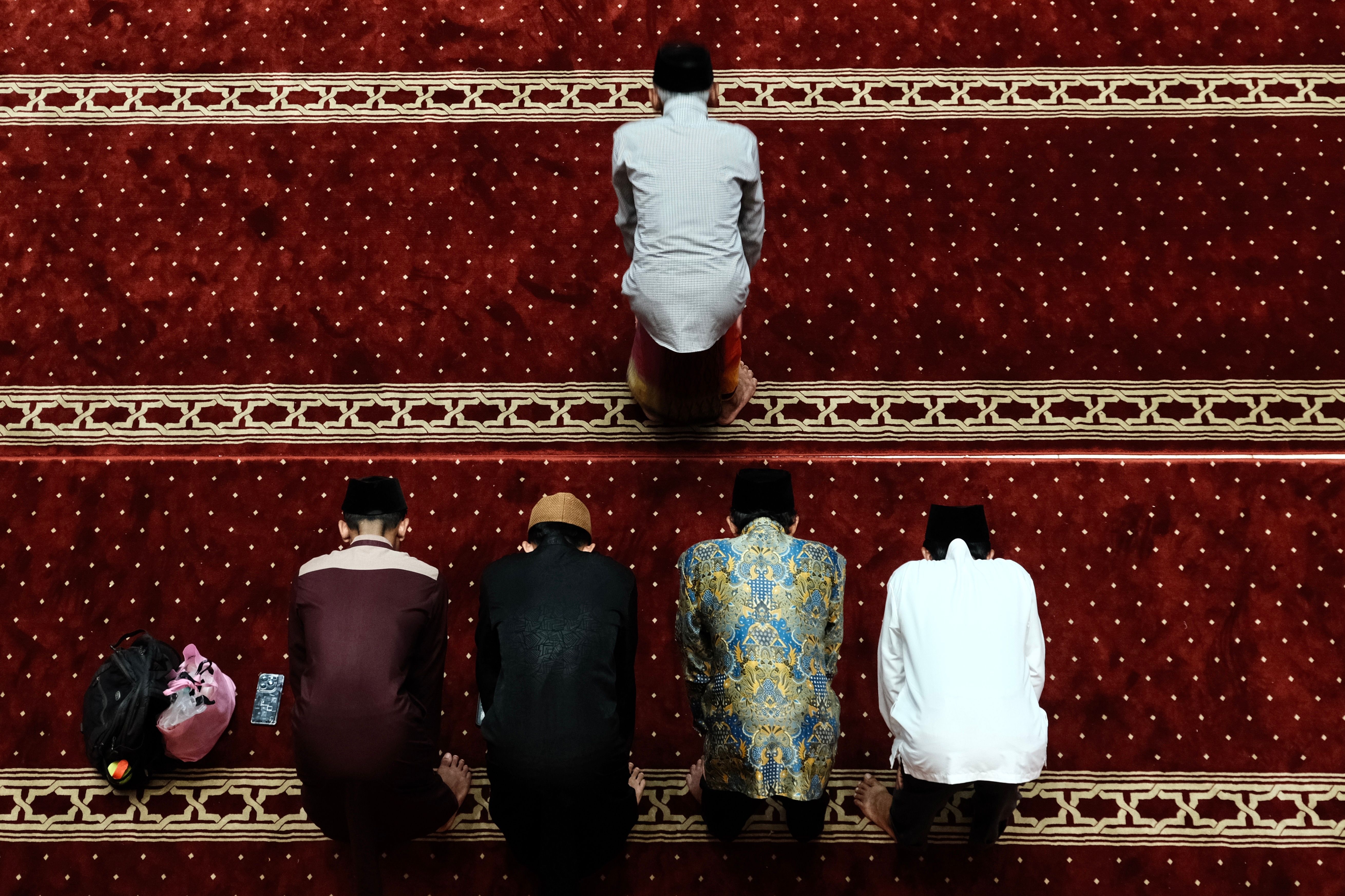
Muslims are projected to become the world’s largest religious group by 2035, passing Christians in total population. Christians are the largest religious group today, and Muslims are second. Both groups are expected to grow through 2070, but the Muslim population is growing faster.
The projections cover 201 countries and territories, representing 99.98% of the world’s population. They track seven groups from 2020 to 2070: Christians, Muslims, Hindus, Buddhists, Jews, followers of all other religions, and people with no religious affiliation. The model uses age, sex, fertility, migration, deaths, births, and religious switching, while noting that wars, disasters, epidemics, and major social changes could alter future numbers.
Fertility is the main driver. From 2020 to 2025, Muslim women had an estimated total fertility rate of 3.1 children, compared with 2.5 for Christian women and 1.6 for all other women combined. Between 2020 and 2070, Muslims are projected to gain 1.6 billion people through births exceeding deaths. Christians are projected to gain 792 million through that same natural population change.
Religious switching has a smaller effect, but it matters. Muslims are projected to lose a net 8 million people through switching by 2070. Christians are projected to lose a net 105 million, with most people who leave Christianity expected to become religious “nones,” including atheists and agnostics. Movement between Islam and Christianity is projected to be nearly even: 9.2 million Muslims becoming Christian and 9 million Christians becoming Muslim.
The projected Christian decline is especially sharp in the United States. The United States had the world’s largest Christian population in 2020, with 217 million Christians. By 2070, that number is projected to fall to 174 million, the largest numerical decline of any country.