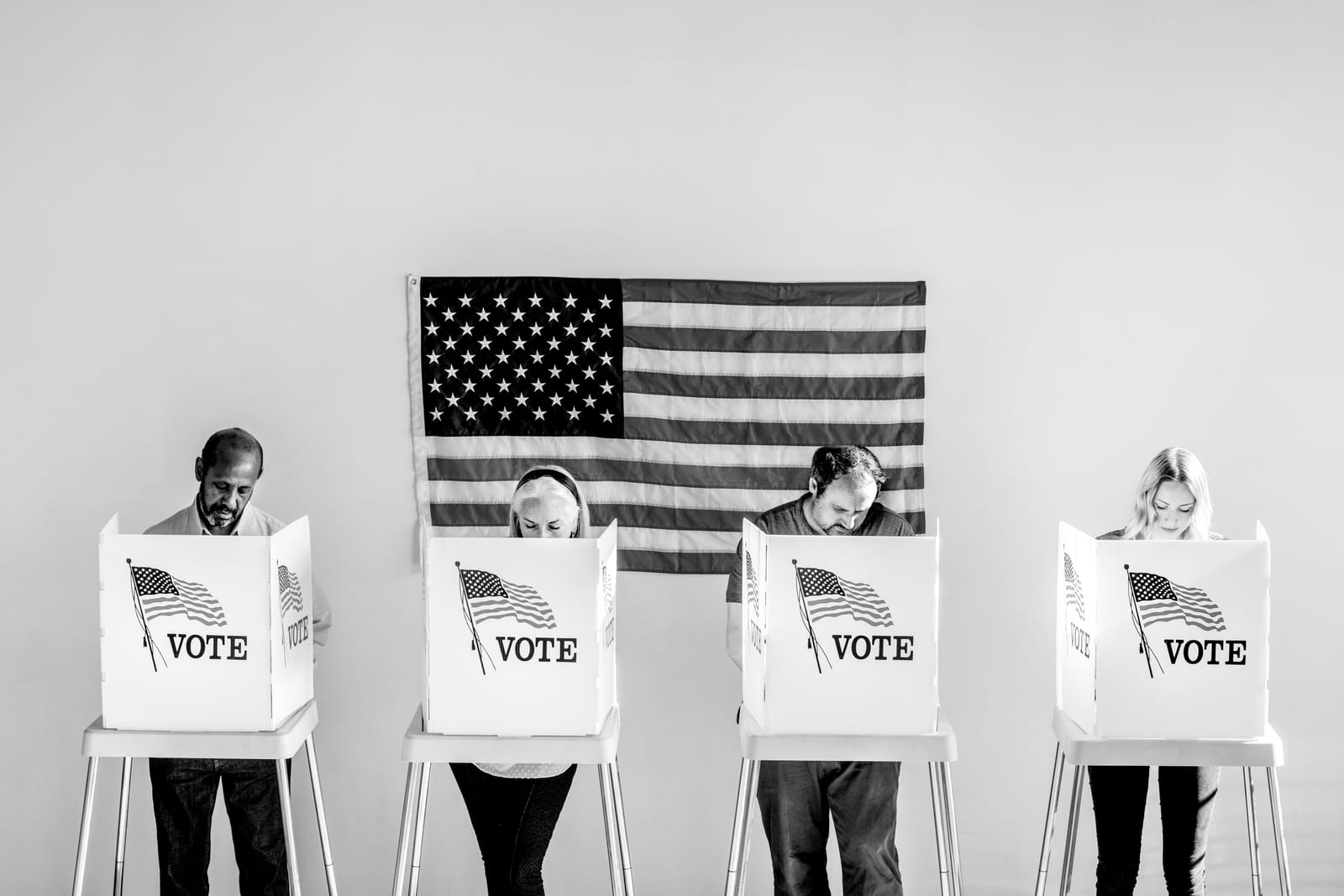
The U.S. Supreme Court is preparing to hear a major voting case over whether states can require people to provide documents proving they are U.S. citizens when they register to vote. The case could determine how much authority states have to verify citizenship before adding a person to the voter rolls.
The question before the Court is straightforward and consequential. States want to know whether they may require documentary proof of citizenship at registration. The answer could shape election law across the country, not only in one state or one election cycle.
Election integrity depends on clear rules that the public can understand and trust. Requiring proof of citizenship is one way states seek to protect the voter-registration process before ballots are cast. Opponents of such requirements argue that added documentation can make registration harder for eligible citizens. The Court will now decide how those concerns fit with state authority over voter registration.
For families, churches, and communities, the stakes are civic trust. Elections work when citizens believe the rules are fair, the rolls are lawful, and every valid vote is protected. The Supreme Court’s decision could set the standard states must follow when they seek to verify citizenship at the point of registration.